
by Mary Tully Vega
Let’s be real: vet visits can be stressful. For your dog, it might feel like a horror movie—bright lights, weird smells, slippery floors, strangers touching their body, needles (!). Even the most laid-back pup can find the vet overwhelming.
Whether you’re starting fresh with a puppy or trying to support an adult dog who already panics at the sight of a stethoscope, you can make the vet a better experience.
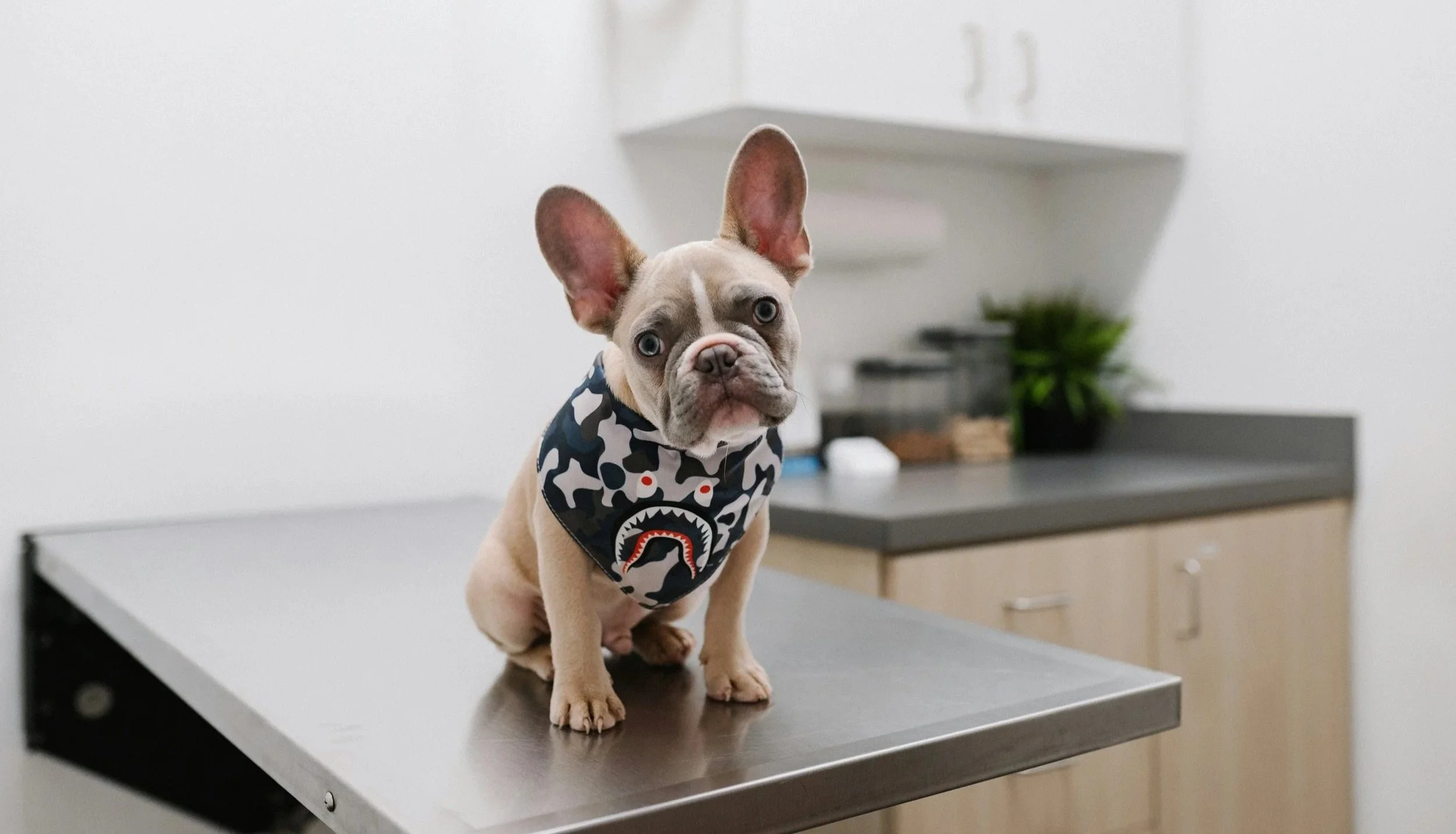
Here’s how to socialize your dog to the vet and turn stressful appointments into more manageable (and sometimes even positive) experiences.
Step 1: Start With the Right Vet
The vet you choose can make or break your dog’s experience. You want someone who sees your dog as a whole, body and mind.
When shopping for a vet, ask:
Are you Fear Free Certified?
Do you allow casual happy visits?
Are your staff trained in low-stress handling?
Can I request accommodations like waiting in the car until the room is ready?
If you get a blank stare or dismissive answers, keep looking. A good vet will work with you and your dog, not rush them through.
📍 Tip: Find a Fear Free Certified vet near you at fearfreepets.com.
Step 2: Understand Fear Free and Cooperative Care
Fear Free is a veterinary approach that reduces fear, anxiety, and stress during care. Clinics use gentle handling, species-specific calming techniques, and even environmental changes to help your pet feel safe.
Cooperative care takes it a step further. It’s training your dog to choose to participate. That might mean:
Teaching a chin rest for exams
Teaching a consent cue and listening when they say “no”
Muzzle training
Voluntary paw lifts or ear checks
These methods turn scary procedures into familiar routines. And they build trust. It does require training, so contact a qualified force-free trainer to help you start the process.
Step 3: Make the Vet a Happy Place (Before It’s Urgent)
You don’t have to wait until your dog’s limping to go to the vet. In fact, we recommend doing “happy visits”—low-stress, low-stakes pop-ins to build positive associations.
Try this:
Drive to the vet
Let your dog sniff the parking lot
Give treats in the lobby
Say hi to a front desk person (if welcomed)
And then… leave!
No needles. No pressure. Just fun. The more normal the vet feels, the better your dog will handle the real deal.
Bonus points for using super special treats—spray cheese, liver jerky, or a favorite toy—reserved only for the vet.
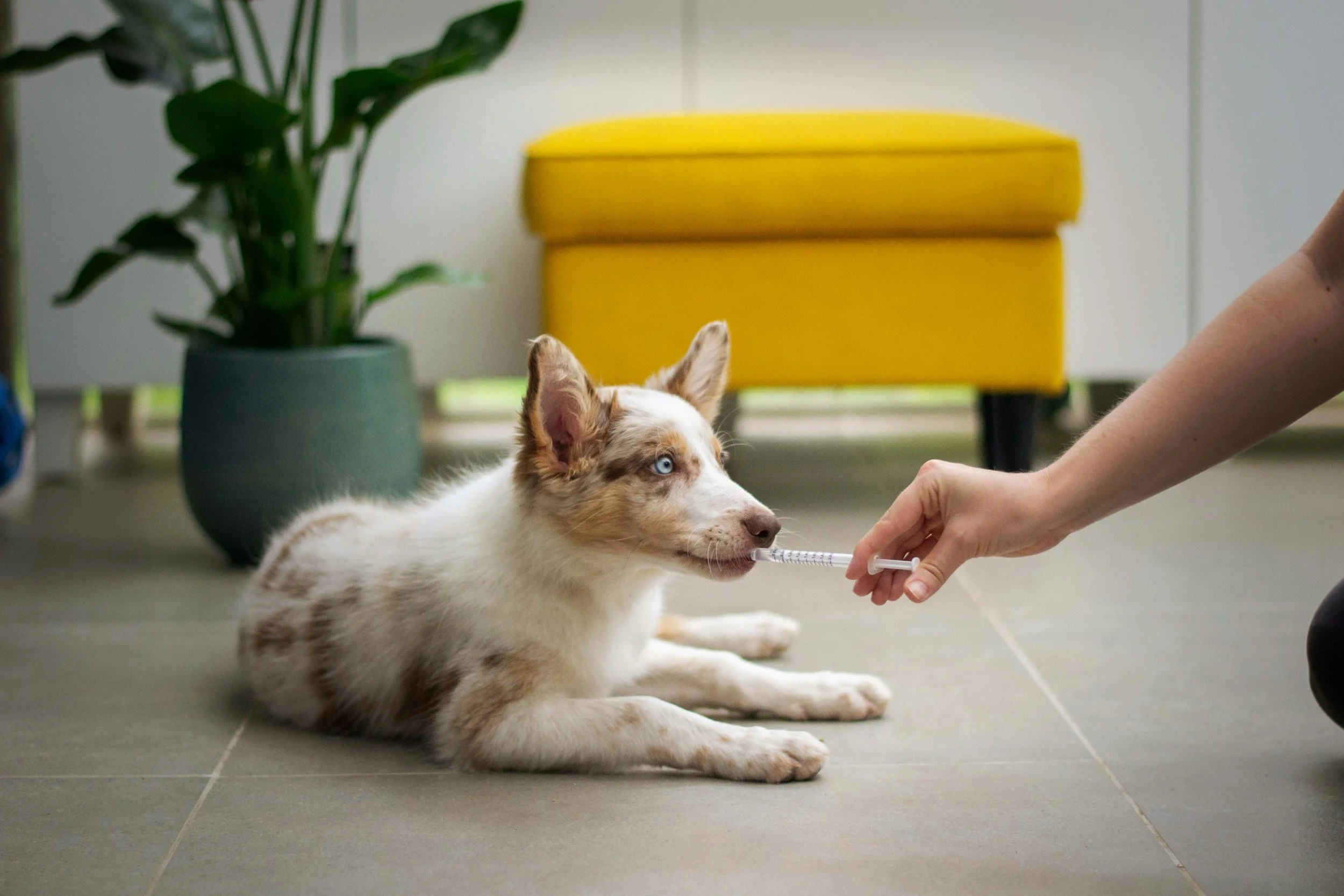
Step 4: Three Simple Things You Can Do at Any Vet Visit
Even if your vet isn’t behavior-savvy, you can still take small steps to make things easier.
Walk First
Let your dog go for a sniff walk before the appointment. It helps release energy and lowers anxiety levels.Bring Comfort Items
Bring a towel from home for them to lie on, or a favorite stuffed Kong or chew toy (if your dog doesn’t resource guard). These familiar items can make strange places feel safer.Allow Exploration
If your vet allows, let your dog sniff and look around the exam room before things get started. It gives them a chance to take in their surroundings and feel more in control.
❗ Important: Remove chews or food toys before the vet staff enters—especially if your dog tends to guard items.

What If My Dog Already Freaks Out at the Vet?
Take a breath—you’re not doing anything wrong. Many dogs have negative vet associations from past experiences, lack of early socialization, or just being sensitive by nature. Here’s how to begin turning that ship around:
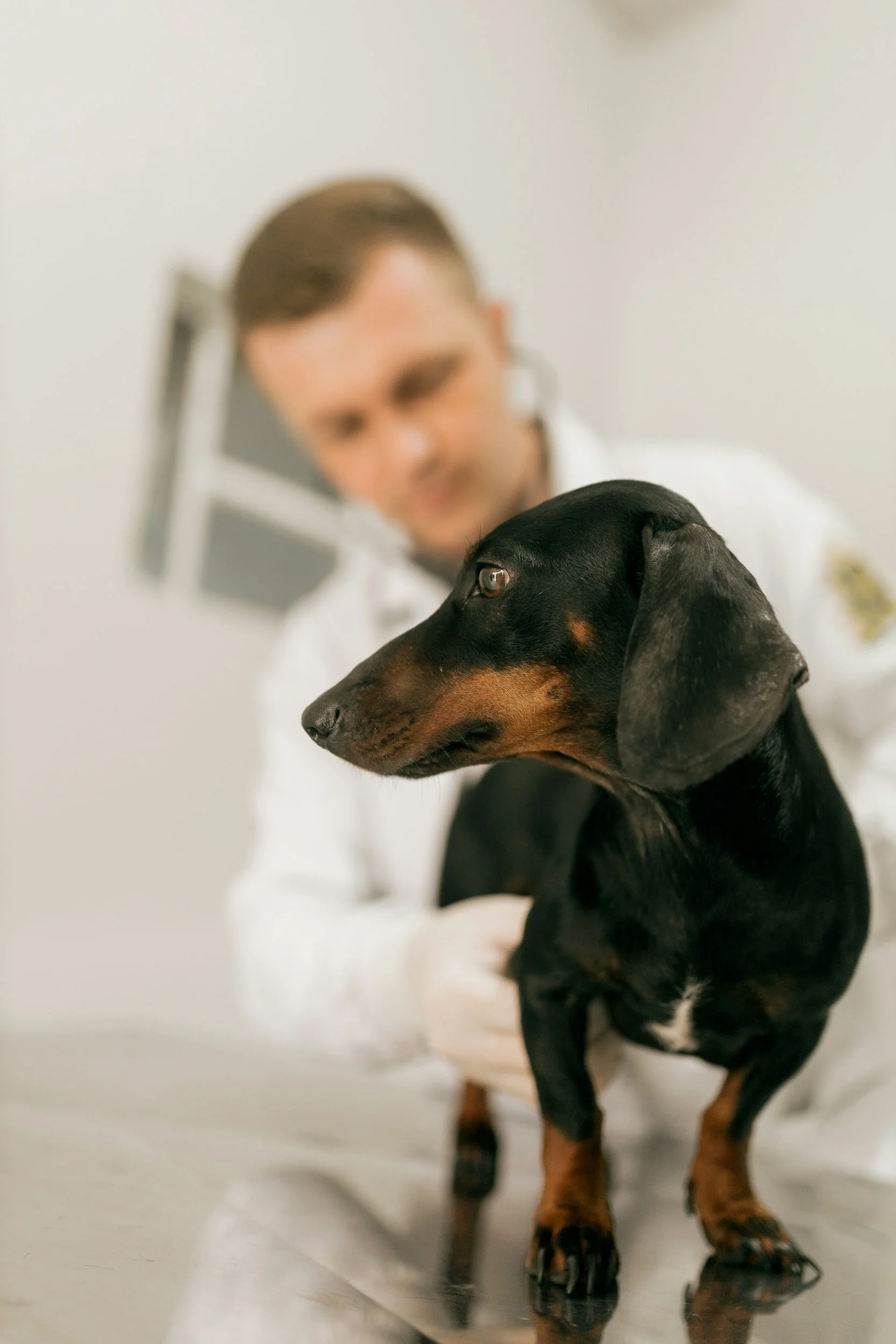
Talk to your vet about pre-visit meds.
Trazodone, gabapentin, or other prescriptions can take the edge off and help your dog stay calm. Think of it as support, not sedation.
Consider switching clinics.
If your current vet isn’t working with you—or is rushing or rough—try a mobile vet, Fear Free clinic, or one that specializes in behavior.Train at home.
Practice body handling, mock exams, and cooperative care skills like chin rests or paw lifts. Start small and celebrate progress.Go slowly and celebrate small wins.
If your dog walks into the vet without shutting down? That’s a win. If they accept treats in the waiting room? Huge win. Build on that trust.
Final Thoughts: It's About Trust, Not Tolerance
Socializing your dog to the vet doesn’t mean they’ll ever love it. But it does mean they can feel supported and safe—and that’s everything.
Whether you’re prepping a puppy for their first round of shots or helping a reactive rescue dog feel secure during exams, your efforts matter.
If you need help building a vet training plan, we’ve got your back. Schedule a free consultation to meet us and discuss your goals!
Join Wag & Wonderment Canine Club! It’s a membership community built for dog lovers who want to go deeper than the average training tip. If you've ever spiraled down a late-night internet rabbit hole about your dog's behavior and come up more confused than when you started, this is the place for you. With a focus on real dog training for real life, Wag & Wonderment delivers practical, results-driven guidance in a supportive community setting so you can finally feel like you truly understand your dog. Try it free for 30 days, cancel any time.