
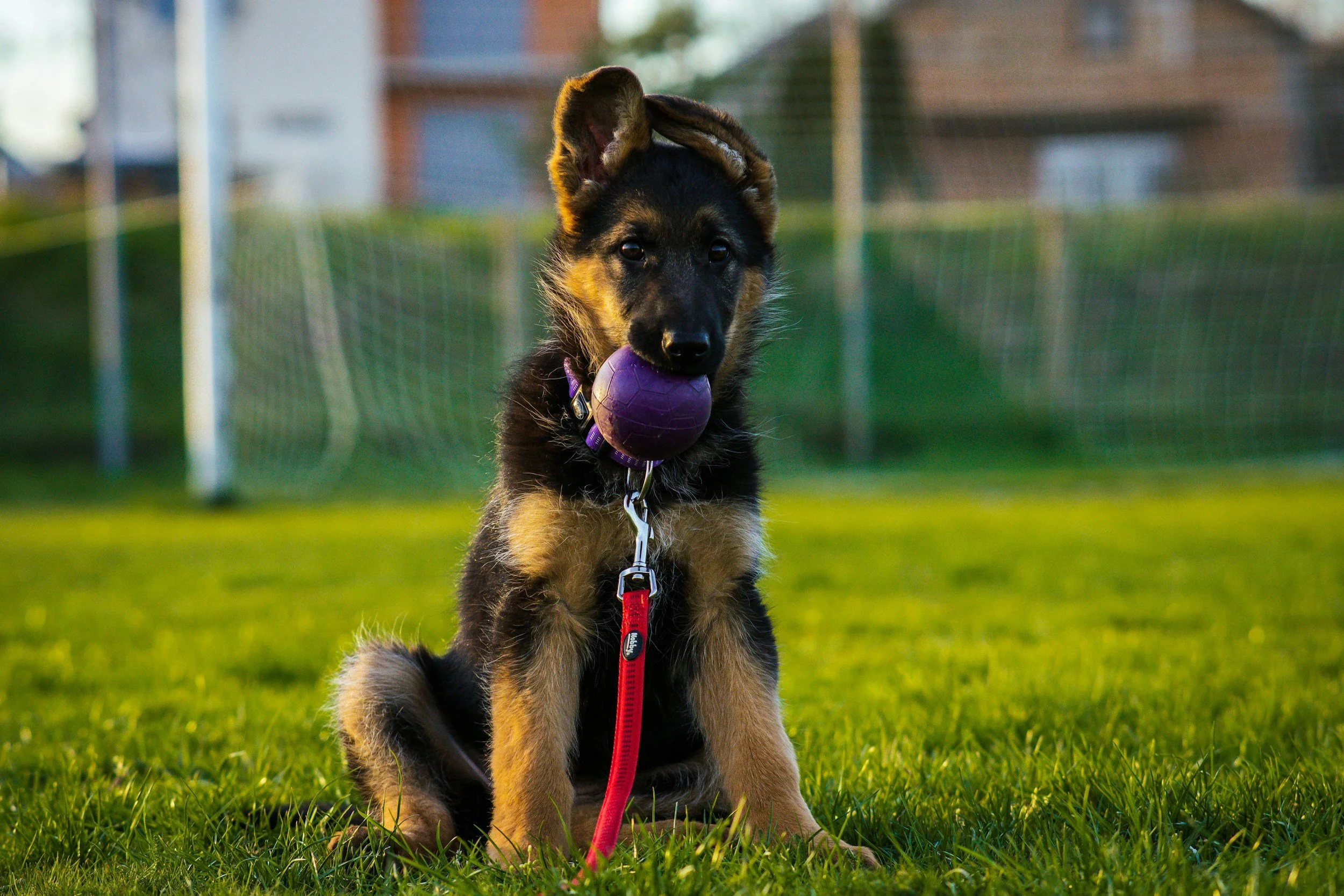
The first three months of a puppy's life are the single most important window for shaping who they'll become as an adult dog. The American Veterinary Society of Animal Behavior (AVSAB) states clearly that the primary and most important time for puppy socialization is the first three months of life, and during this time puppies should be exposed to new people, animals, stimuli and environments. This should be achieved gently and safely, without causing over-stimulation manifested as excessive fear, withdrawal or avoidance behavior. This is the developmental stage when puppies are naturally more curious than fearful, making it the ideal time to build confidence around new experiences. This period also shapes how they will see and approach situations throughout their life.
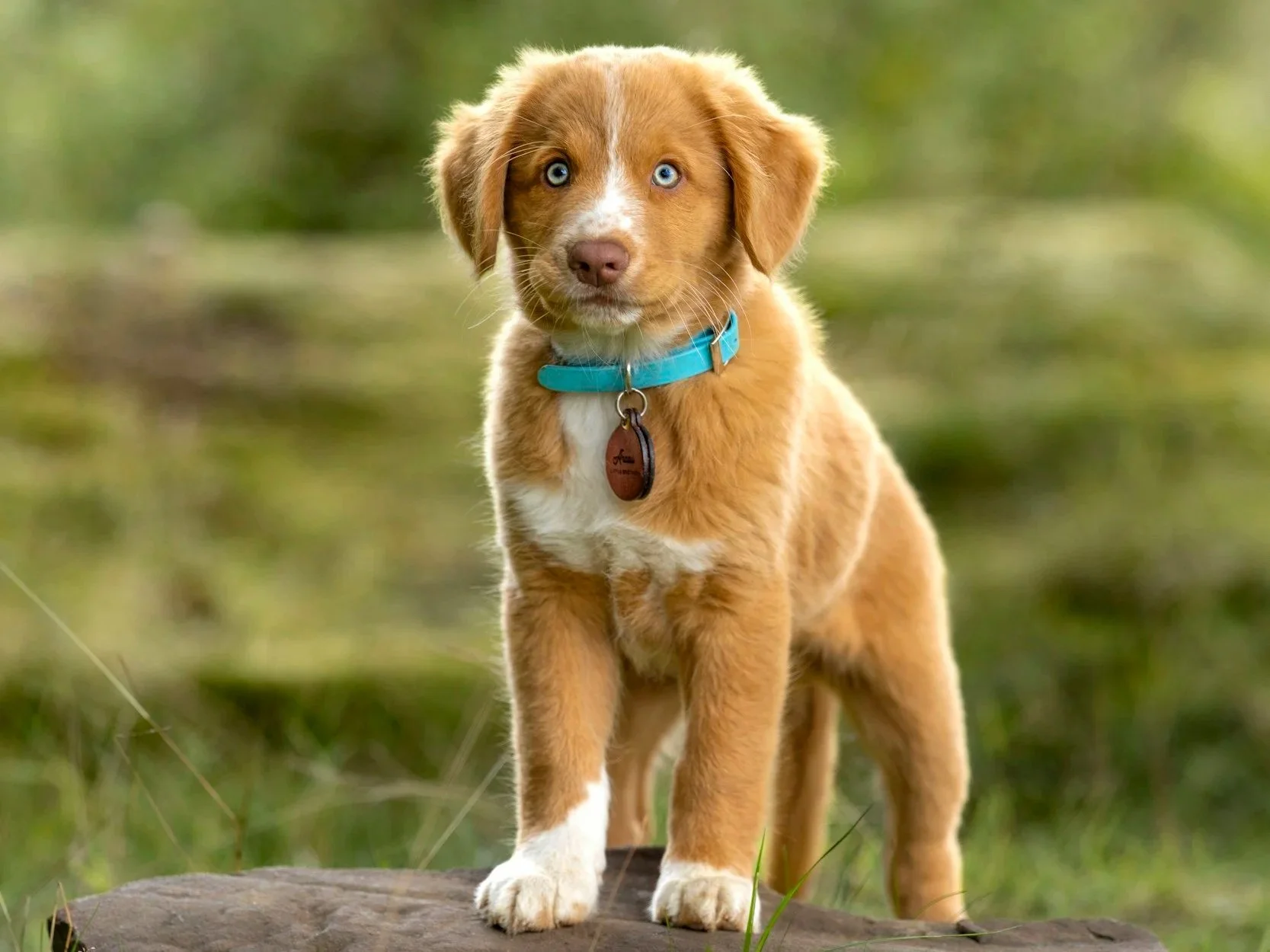
Because this critical window closes just as a puppy's vaccination series is often still incomplete, AVSAB has taken a clear stance: waiting until full vaccination to begin socializing does more harm than good. It should be the standard of care for puppies to receive such socialization before they are fully vaccinated. That doesn't mean throwing caution to the wind. AVSAB recommends puppies can generally start socialization classes as early as 8 weeks of age, but should receive a minimum of one set of vaccines and a first deworming at least seven days before their first class, and stay up-to-date on vaccines throughout.
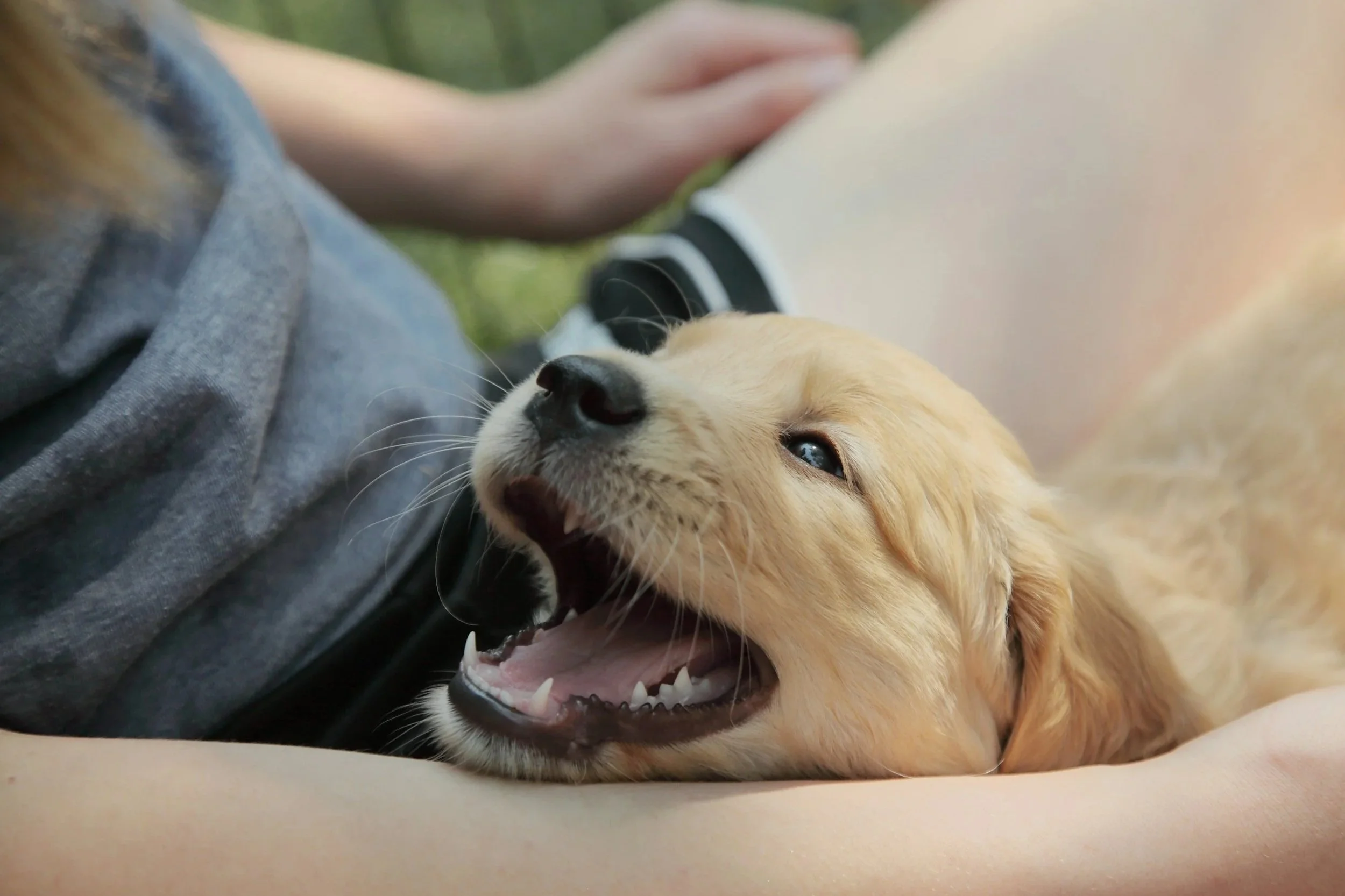
The stakes of getting this wrong are real. Incomplete or improper socialization during this important window can increase the risk of behavioral problems later in life, including fear, avoidance, and aggression. Behavioral issues, not infectious disease, are the number one cause of death for dogs under three years of age. In other words, a well-run puppy class or safe, supervised exposure to new people, dogs, sounds, and places is preventive care, just like a vaccine, only for your puppy's mind instead of their immune system. Talk to your vet about how to balance safe exposure with health precautions, but don't wait until 16+ weeks to start: by then, the window that shapes lifelong confidence and temperament has largely closed.
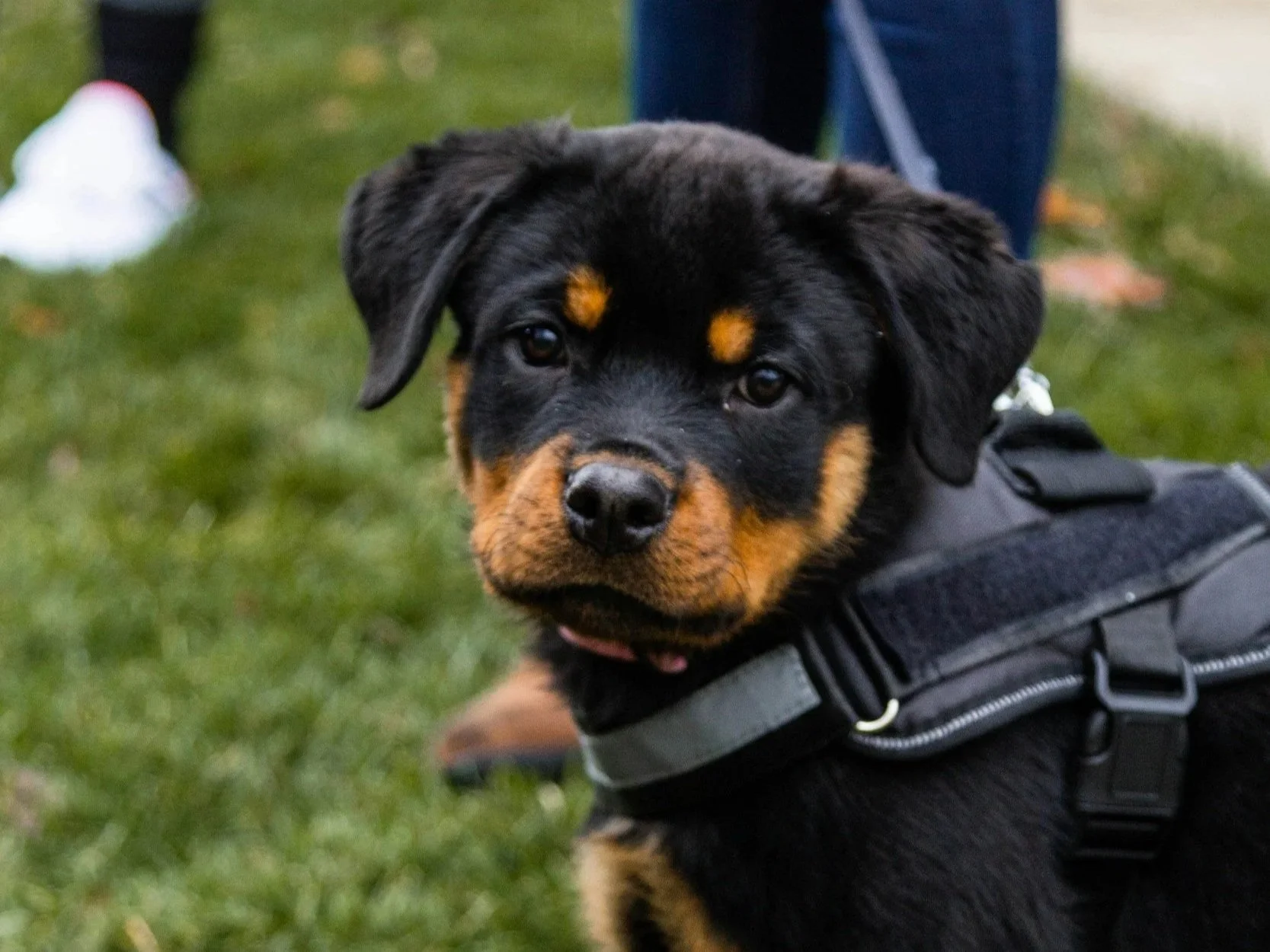
So, what should you do?
Well, safety should always be your number one priority. But you can still give your puppy ample positive socialization experiences to environments, animals, people, sounds, objects, and more! How? Don’t bring your puppy to unpredictable environments or put them on the ground in spaces that are frequented (and not cleaned!) by many unknown animals. For example, a dog park is a terrible place to bring a puppy because there are too many unknown health and behavior concerns. But, a well-run puppy class in a safe and clean environment is a great choice! Here are some other ways you can give your puppy safe socialization:
Bring them out in a carrier to public places
Set up play dates with people and dogs who are on track with vaccines and healthy
Take them on a walk in a wagon, stroller, or carrier on public sidewalks
Set up fun obstacle courses in your home or yard with random objects to explore
Bring a blanket to a park and sit and watch the world together
Invite friends to visit your puppy!
If they’ve visited a public park or space, wash their feet thoroughly.
Visit a puppy socialization club or event, run by a qualified trainer in a safe space
That’s it! Don’t let those first 3-4 months go by without giving your puppy ample socialization, done safely and gently. Need help? We got you. Schedule your free meet + greet with a qualified trainer or behavior consultant today.