
by Mary Tully Vega
Let's be honest about the word "routine" for a second.
For a lot of people, it conjures up a color-coded schedule, a list of activities they will definitely do for two weeks and then quietly abandon, and a general sense that they are probably already failing at something. We are not doing that here.
A good enrichment routine is a simple, repeatable system that fits your actual life — your schedule, your dog, your energy levels, and your goals. The magic word is enough. Not more than you and your dog need. Not less. Just enough, done consistently, for this specific dog and this specific family.
That is what we are building today.
Step 1: Start With Your Dog
Before you plan anything, look at the actual animal in front of you. Not their breed standard. Not what worked for someone else's dog. This one.
Age shapes everything. A puppy, an adolescent, a healthy five-year-old, and a senior are living completely different biological realities. Build for the dog you have right now.
Breed and breed mix give you useful information. Know what your dog was built for and give them some version of it in whatever form fits your life.
Actual activity level is not the same as breed activity level. Watch your dog and let them tell you what they need.
Behavioral challenges are information, not failures. Reactivity, anxiety, destruction: all of these point to unmet needs that enrichment can help address. In some cases, the right enrichment routine alone can reduce or resolve certain unwanted behaviors.
Medical considerations and allergies matter. Food-based enrichment needs to work with what your dog can actually eat. Physical enrichment needs to account for any physical limitations. Loop in your vet if you are unsure.
Training goals should inform your choices. Enrichment and training are not separate things! Let them work together.

Step 2: Look at Yourself and Your Family
This step gets skipped almost every time. It is just as important as the one above.
Is your dog your hobby? Then dog sports, nose work clubs, weekend adventures, and ambitious activities are probably right for you. You have the bandwidth and you will enjoy it. Lean in.
Is life already very full? Then we are not building a routine that requires thirty extra minutes you do not have. A good enrichment plan should make your life feel easier, not like another thing to fail at.
Be honest about what you enjoy doing with your dog, what feels like a chore, and how much of your identity and free time actually revolves around your dog versus everything else you have going on. All of those answers are valid. All of them produce different routines.
Step 3: Look at Your Schedule (But Read This First!)
You probably do not need to add more time. You need to use the time you are already spending more intentionally.
That morning walk could become a sniff walk. That mealtime could become a scatter feed or a frozen kong. The time is often already there!
A specific note for moms and primary parents: do not take the few quiet minutes you have carved out just for yourself and give them to your dog. Do you rest when the baby naps? Keep doing that. Do not touch it. We can find the time somewhere else (five minutes off the walk you already do, asking your partner to handle lunches on Tuesday, getting creative without raiding the one small reserve of sanity you have left.) Your rest is not available for reallocation.
That goes for anyone hanging by the skin of their teeth right now. If you genuinely cannot figure out where the time is coming from, DM us. We will help you find it.
Step 4: Know Your Five Categories
A good routine touches more than one of these across the week. Not all five every day, just enough variety that your dog's different needs are being met over time.
Sensory — novel smells, textures, sounds, environments
Cognitive — puzzle feeders, nose work, training games, problem solving
Physical — movement, exercise, freedom of movement
Social — connection with you, other dogs, the wider world
Occupational — breed-driven behaviors like digging, shredding, chasing, retrieving
Step 5: Build Your Rotation
Novelty matters more than variety in a single session. A dog who gets the same puzzle toy every morning stops finding it interesting. Pick six to eight activities across the five categories, rotate through them, repeat what works, and quietly drop what doesn't.
Step 6: Combine Enrichment and Training
You do not have to choose between them. Scatter feed dinner and practice a sit-stay before they start searching. Do five minutes of fetch, then work on name recognition before the walk. Let them shred a cardboard box, then work on a settle afterward. Enrichment that feeds directly into training is not lazy, it is efficient.
Step 7: How Do You Know If It's Working?
Here is the part nobody tells you: if your dog seems content and calm most of the time and you are not dealing with significant behavior challenges, then you are probably already doing enough. Box checked. Good on ya.
If you are building a new routine, watch for these signs that it's working: your dog settles more easily after activity, persistent behaviors start to soften, and you both feel less frantic at the end of the day. Adjust as you go. The routine is a tool, not a commitment.
Four Real-Life Examples
Find the profile that looks most like your life and use it as a starting point.
Profile 1: The Rescue Finding Their Feet
The Dog: Mixed breed, small to medium, around 3 years old, adopted 6 months ago. Struggles with anxiety and leash reactivity. Still figuring out what safe feels like.
The Family: Young couple, no kids, both work full time. Evenings and weekends are available. They really want to do the right things. Priority areas are confidence building, basic skills, and relationship development.
The Approach: Everything is gentle, short, and positive. Nothing that overwhelms. No forcing. The goal this year is trust. Two things happen every single day without exception: a lick mat or frozen kong in the evening—licking has genuine regulatory effects on the nervous system—and a five-minute training session, because consistency and predictability are confidence builders in themselves.
Sunday: Decompression sniff walk in a quiet area, 20 to 30 minutes. Dog leads, no agenda. Evening: 5-minute training session of name recognition and hand target. Frozen kong before bed.
Monday: Scatter feed dinner in the yard. 5-minute training session of sit and watch me. Short calm walk in a familiar low-traffic area. Lick mat in the evening.
Tuesday: Puzzle feeder for breakfast. Evening: confidence-building free work session — set out a few objects and let the dog investigate completely on their own terms. No pressure, no direction. 5-minute training session of building a stay, just a few seconds each rep. Frozen kong before bed.
Wednesday: Sniff walk, slightly longer route. 5-minute training session of attention getters in a new low-stakes spot. Lick mat in the evening.
Thursday: Frozen kong at breakfast. Short evening walk on a familiar route. 5-minute training session of recall practice inside the house. Quiet connection time afterward.
Friday: Scatter feed dinner. 5-minute training session of whatever felt shaky this week. Lick mat in the evening.
Saturday: A slightly bigger outing like a quiet park, a new neighborhood, somewhere low-key and sniff-friendly. Keep it short and leave before the dog hits their threshold. Frozen kong when you get home. Rest.
Daily lick mat or frozen kong plus a 5-minute training session every day — non-negotiable. Predictability IS enrichment for a dog who is still learning that the world can be trusted.
Profile 2: The Dog Who Is Someone's Whole World
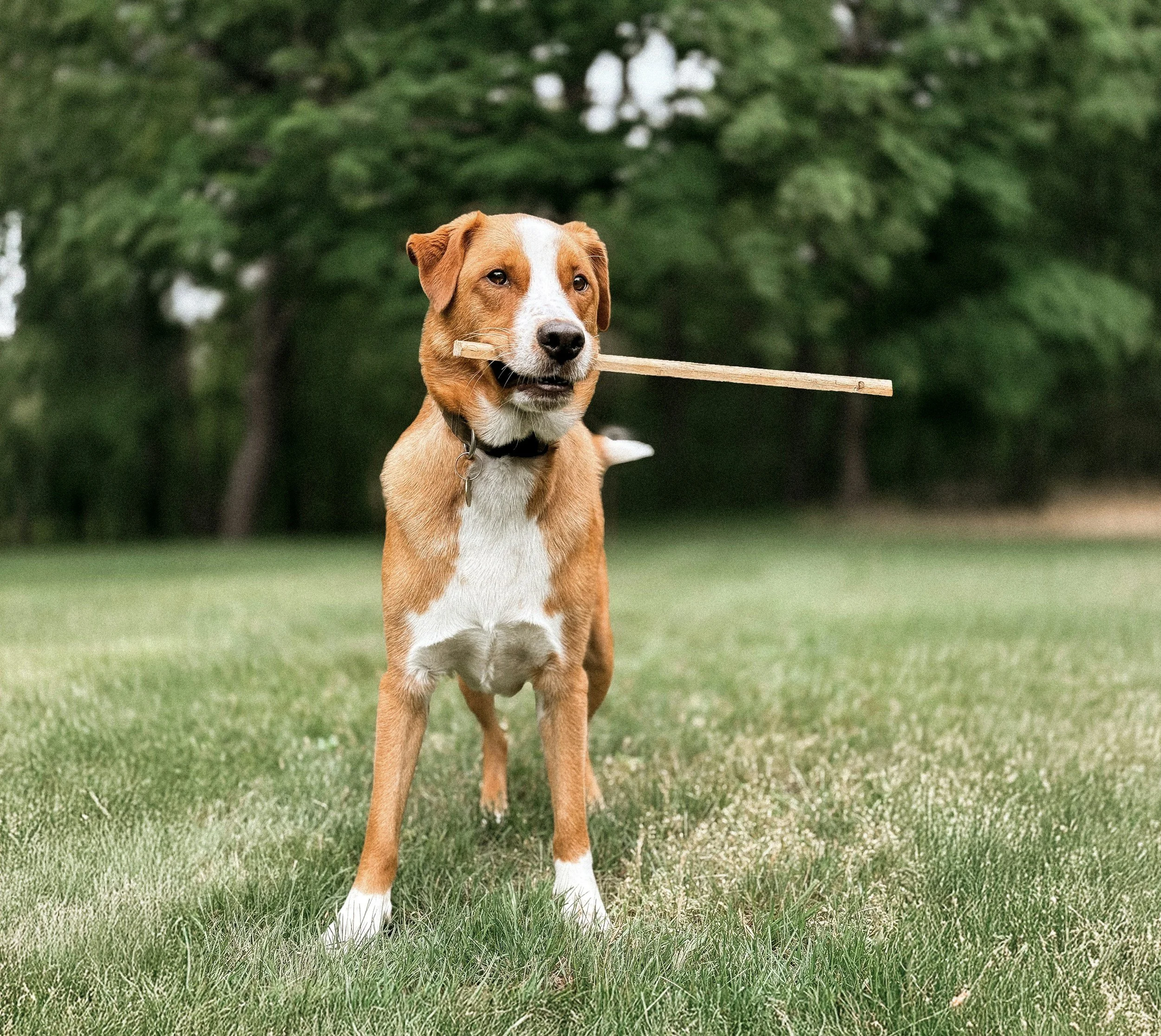
The Dog: 7-year-old Border Collie, going strong. Loves agility and frisbee. Also in the household: one Aussie, two cats, and the perpetual contemplation of a third dog.
The Family: Single mom. The dogs are her hobby, her community, and a significant part of her identity. She has the bandwidth for an ambitious routine and genuinely enjoys it.
The Approach: Structured, intentional, high engagement. This is a working-breed household run by someone who loves this stuff. The routine reflects that fully, including some bigger environmental projects that make the space itself more enriching every single day.
Sunday: Agility practice or frisbee session, 30 to 45 minutes. The big physical and cognitive event of the week.
Monday: Morning run or long structured walk with both dogs. Evening: nose work hide in one room; one dog works while the other waits, then switch.
Tuesday: Training session focused on a specific skill like trick work, distance handling, or competition-adjacent work. 15 to 20 minutes. Mentally satisfying for both dogs.
Wednesday: Frisbee in the yard, 20 minutes. Short training game afterward like pattern games or heeling work just for the joy of it.
Thursday: Enrichment rotation day. Snuffle mat, puzzle feeder, or a new nose work hide. Cognitively engaging without requiring much from the human.
Friday: Free work session or a dog-choice activity. Let them decompress and choose their own pace after a structured week.
Saturday: A bigger adventure! A new trail, a beach, a dog-friendly event, or an agility club session.
Bigger projects worth considering for this household:
A sensory garden in the backyard. Different textures, safe herbs and plants, surfaces to walk on, things to sniff and investigate at will. It enriches every single time the dogs go outside without any effort from her.
A designated digging pit in the yard. A raised bed or a defined corner of the yard filled with sand or loose soil where digging is not only allowed but encouraged. Border collies and Aussies have a lot of feelings about the earth. Give them somewhere to put those feelings.
A scent trail system for tracking. Drag a scented item through the yard before letting the dogs out and watch them work the track. Takes two minutes to set up and provides fifteen minutes of focused nose work.
This is an ambitious routine for an ambitious household. It works because the person running it genuinely loves it. For anyone considering adding a third dog, this schedule is worth looking at honestly first—these dogs are well met, well exercised, and mentally engaged. That is the foundation any new dog deserves to come into.
Profile 3: The Happiest of Clams
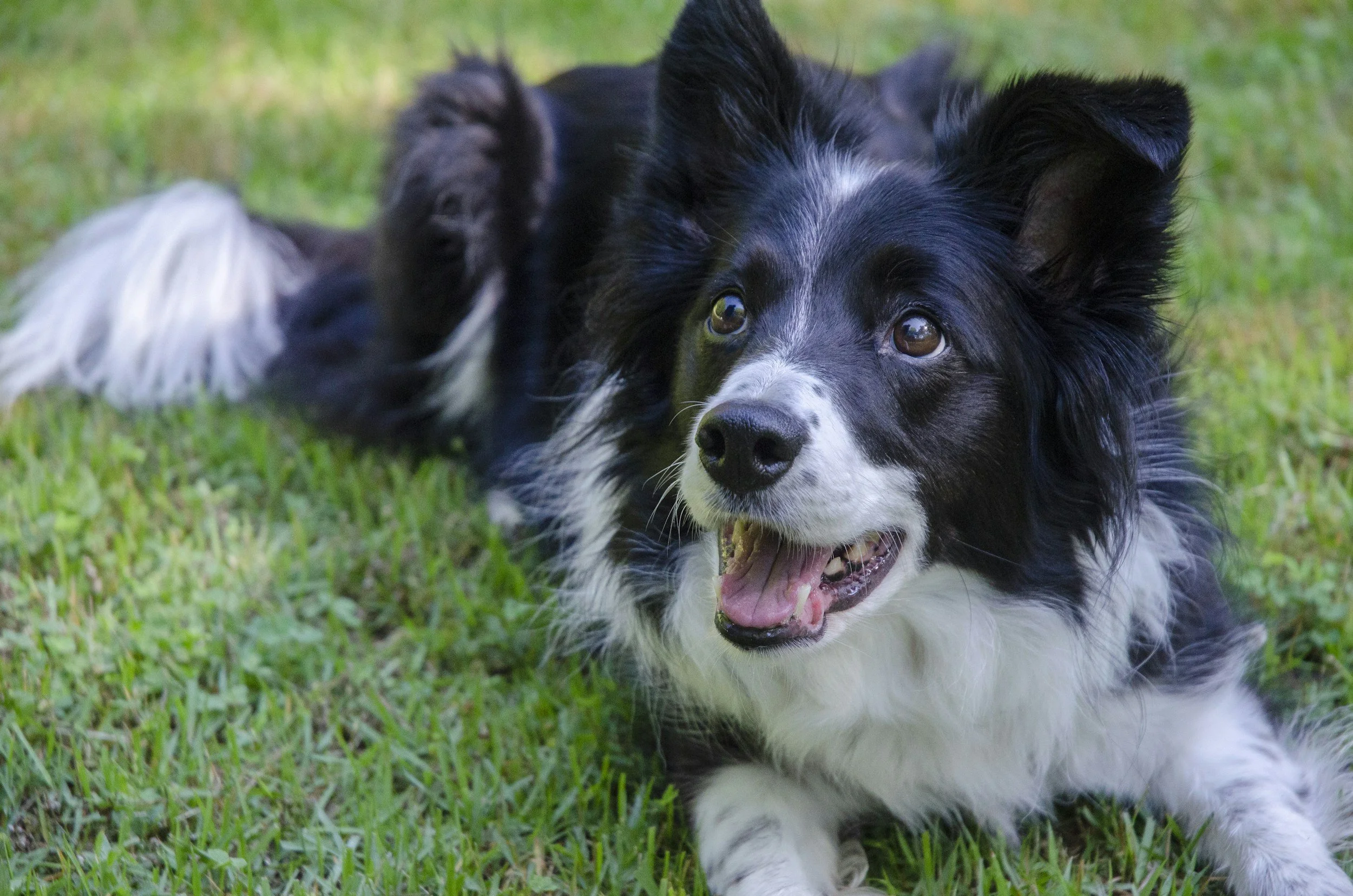
The Dog: 5-year-old Golden Retriever. Friendly, calm, no significant challenges. Loves kids, loves people, loves life. Genuinely the happiest dog you have ever met.
The Family: Two parents, two girls who play all the sports. The week is full but things are mostly good. The dog is a beloved, easy member of a very full household. No drama. Just a good dog living a good life.
The Approach: Simple, low-lift, and joyful. This dog does not need an ambitious routine. He needs consistency and the occasional excellent adventure.
Sunday: The good walk. An hour-plus, somewhere beautiful like a new park, the pretty street with the best houses, somewhere worth sniffing. Also maybe at a soccer field during a tournament. Sniffy and unhurried. This is the week's main event and everyone looks forward to it.
Monday: Scatter feed dinner in the yard. Evening walk, normal route.
Tuesday: Puzzle feeder or frozen kong. Short walk. That is plenty for today.
Wednesday: Normal walk. A 5-minute training refresher on a known skill just to keep things sharp.
Thursday: Sniff break on the regular walk. A little longer than usual, a little less structured.
Friday: Lick mat or frozen kong. Easy end to the week.
Saturday: The girls had a sleepover. Perfect. Set up a simple backyard obstacle course using whatever is lying around: a hula hoop to step through, a line of pool noodles to weave between, a low plank to walk across. Let the kids design it and run the dog through it. He will love every second of it, the kids will feel like professional dog trainers, and the sleepover guests will be completely obsessed. Everyone sleeps well afterward.
This profile is here as a reminder that a good enrichment routine does not have to be complicated. This dog is thriving. The routine reflects that without adding unnecessary complexity.
Profile 4: The Puppy Survival Guide
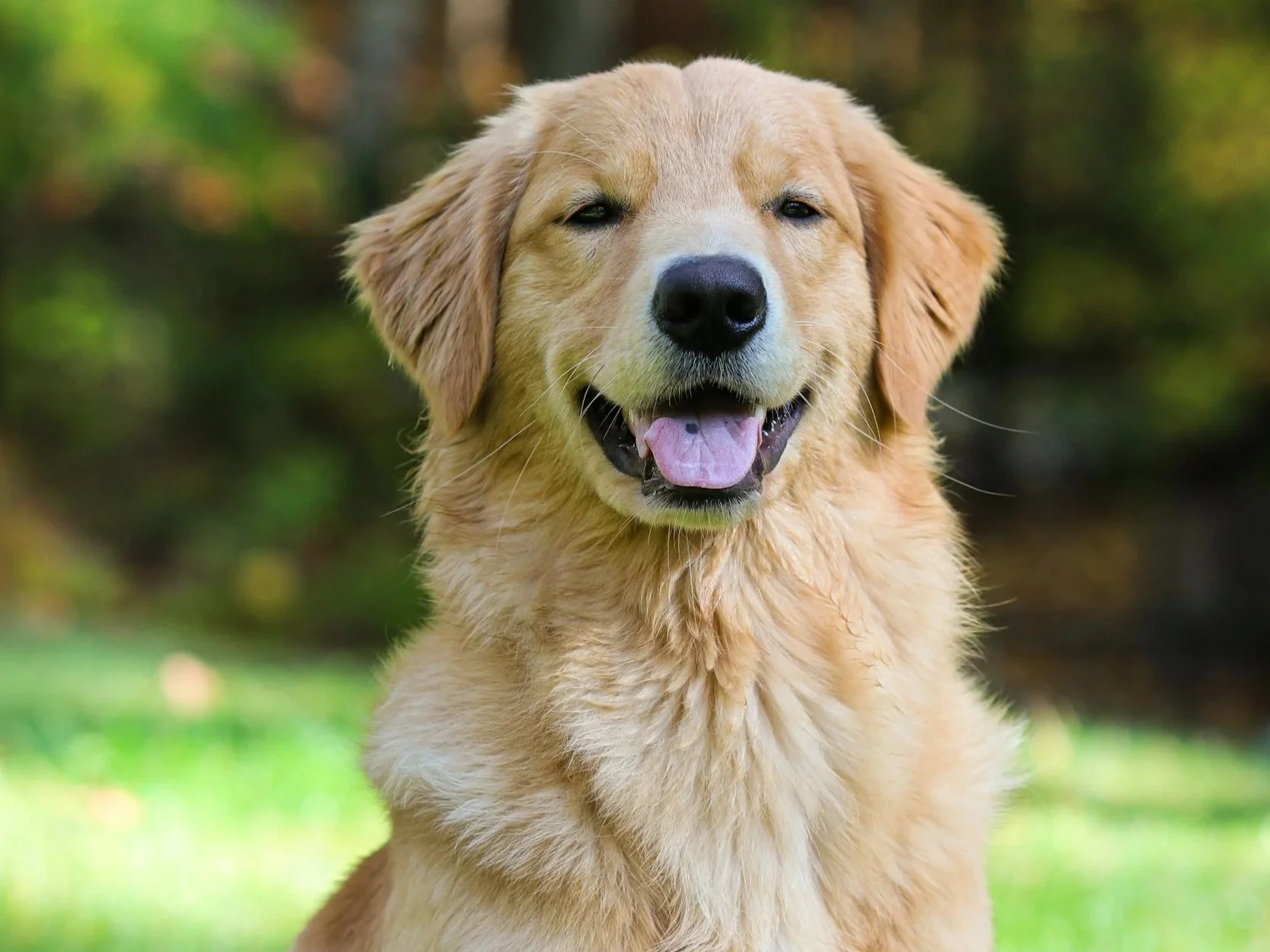
The Dog: 3-month-old Labrador. Biting everything. Needs to learn everything. Has approximately no impulse control and infinite energy that appears and disappears without warning.
The Family: Two parents, two kids under 6, wondering what they were thinking? Running on fumes and dreams. Every minute of the day is already accounted for by someone who needs something.
The Approach: Ultra short, ultra simple, survival-focused. Three to five minutes maximum per training session. Use every tool available: x-pens, baby gates, crates, frozen kongs, and the full village of people in your life who love puppies. Boundaries save lives. We say that as a joke, but we also mean it completely.
A word about prep: pick one time per week and prep all your enrichment items in advance. Fill and freeze the kongs. Portion out the scatter feed. Load the lick mats. Do not even think about prepping in the moment. In the moment you have a puppy attached to your ankle and a toddler asking for a snack.
And do not overlook your village. A dog-savvy neighbor who lights up around puppies? A grandparent who has raised many, many a lab and would be thrilled to have a puppy visit? Puppy sitting is enrichment. Socialization with calm, experienced adults in a safe home is genuinely good for the puppy's development. A puppy sleepover at grandma's is good for everyone. Build a rotation of people who love your dog and can give you a break. No shame in it whatsoever.
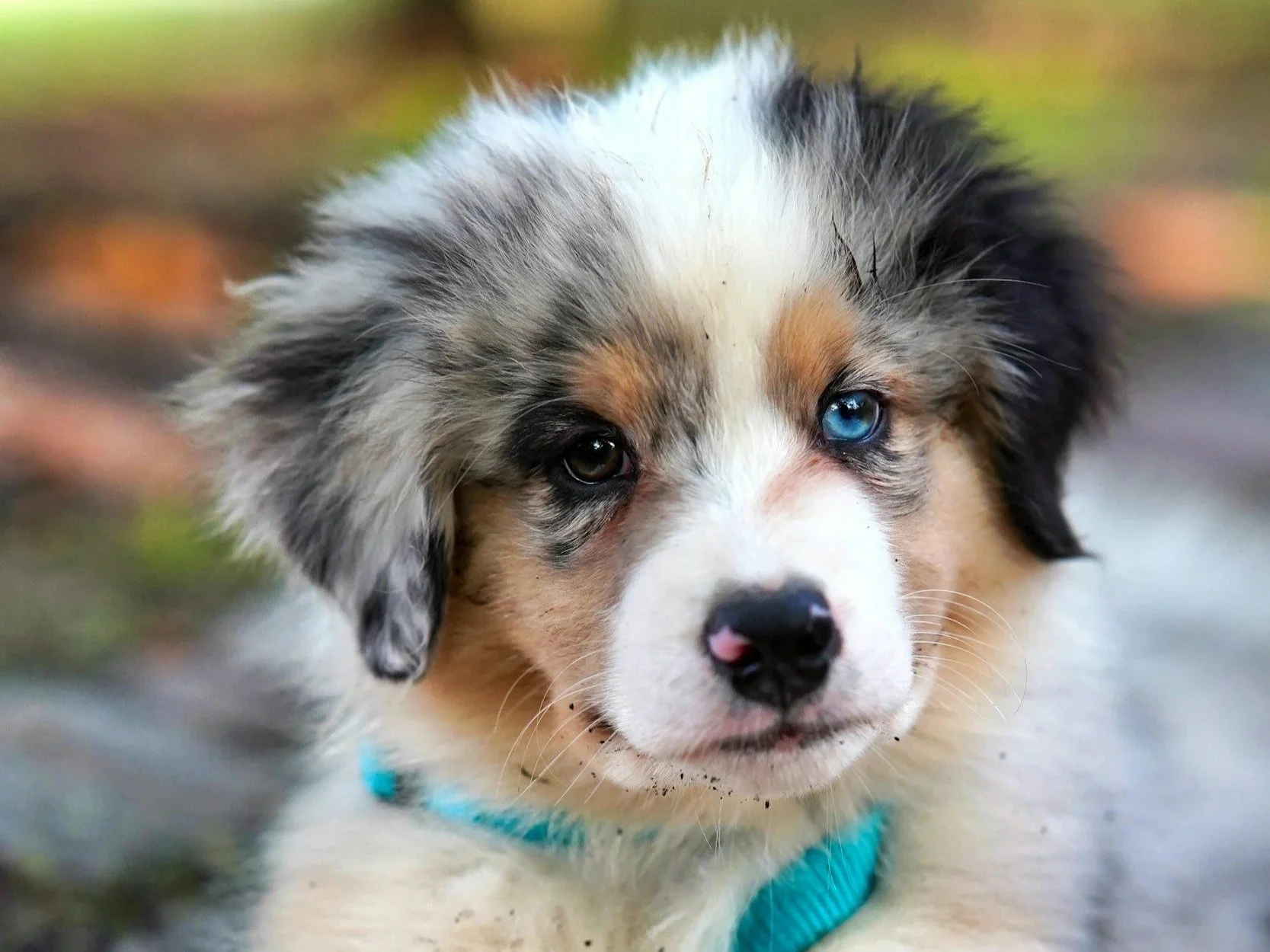
Sunday: 3-minute training session of sit and name recognition. Frozen kong in the crate while the family eats breakfast. Afternoon: x-pen time in the backyard. Evening: lick mat during bath time.
Monday: Scatter feed dinner in the yard! Kids can help hide treats and food. 3-minute training session of sit and a very simple stay. Frozen kong before bed.
Tuesday: Frozen kong in the crate for morning quiet time. Short supervised play session with the kids, structured and calm. 3-minute training session of name recognition and come.
Wednesday: Puzzle feeder for breakfast. Cardboard box shred session in a safe space, 10 minutes. Deeply satisfying, costs nothing, tiring in the best way. 3-minute training session of sit and down. Just make sure they aren’t eating the cardboard!
Thursday: Lick mat during school pickup chaos. Drop at neighbors as early as the neighbor will take them and pick up after the babies are in bed. Frozen Kong for dinner.
Friday: Safe chew, snuffle mat, or cardboard box. 3-minute training session of whatever felt shaky this week.
Saturday: A quiet outing somewhere gentle like a calm neighborhood, a garden center, somewhere new but not overwhelming. Under 20 minutes. Frozen kong when you get home. Everyone rests.
Emergency enrichment for the truly desperate: smear peanut butter around the inside of your bathtub and let them go to town. We are calling this bathtime training and we will not be ashamed. They may need an actual bath afterward. That is a later problem.
Training sessions are genuinely three to five minutes. Stopping before the puppy loses focus means ending on a win every single time. Get the kids involved in scatter feeding — it builds the puppy's relationship with the children and gives the kids a role. The puppy phase is finite. You are doing an incredible job.
The perfect enrichment routine is the one you will actually do. Start with what you already have. Shift a little. Add one small thing. Pay attention to what happens. Adjust as you go.
And if everything already seems pretty good? Trust that. <3
Do you need help building a doable enrichment and training routine? We got you. Schedule your free consultation today.